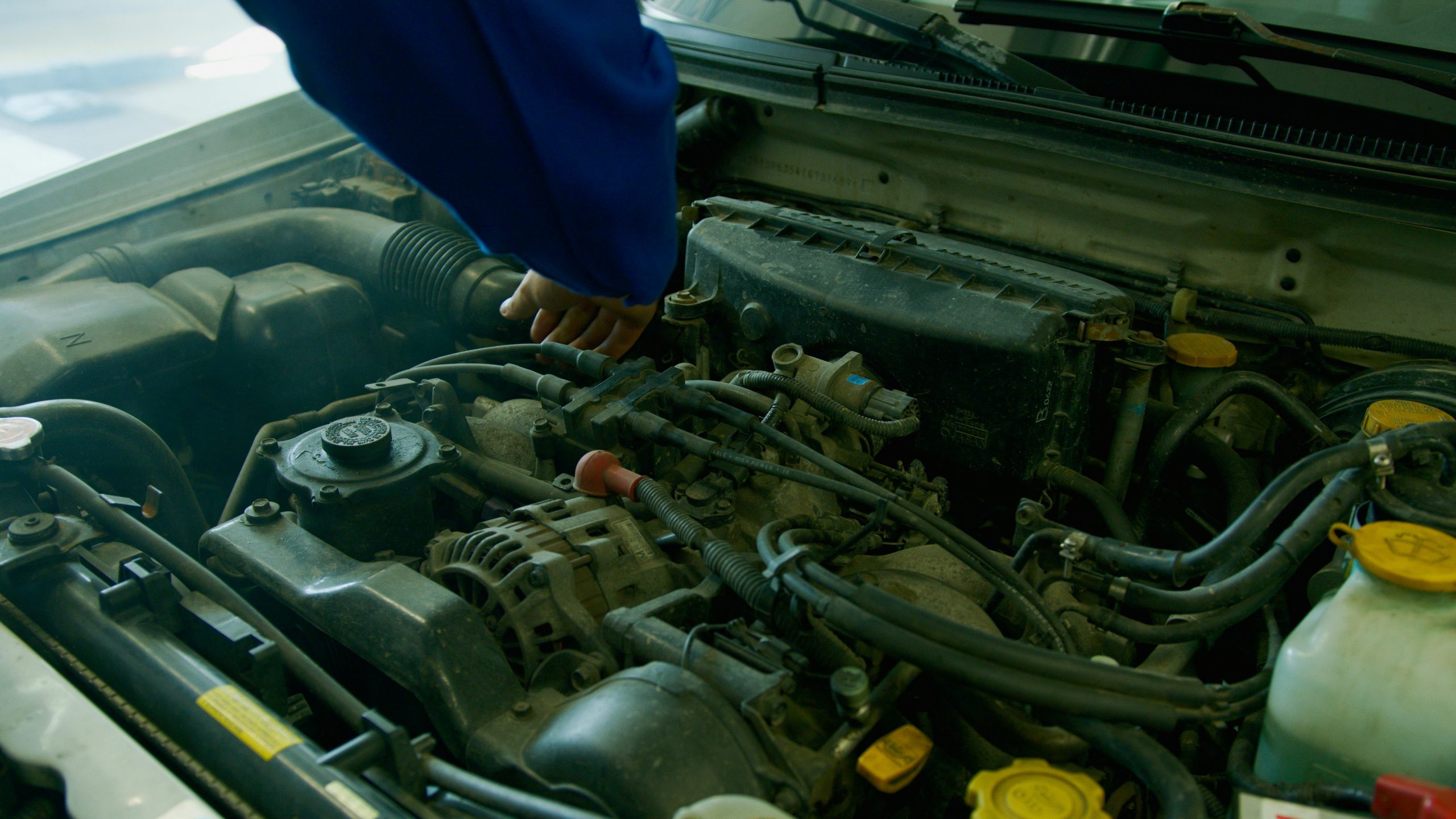
Your car’s timing chain is one of those components you rarely think about; until something goes wrong.
It’s a critical part of your engine that keeps things running smoothly. If it starts to fail, it can lead to costly repairs and even engine damage.
But how do you know if your timing chain is on the verge of giving up? Let’s dive into the early warning signs of a failing timing chain so you can catch the problem before it gets worse.
What Is a Timing Chain?
First, let’s cover the basics. A timing chain is a metal chain that synchronizes the rotation of the crankshaft and camshaft in your engine. This synchronization ensures that your engine’s valves open and close at the right time, allowing for proper combustion and smooth operation.
Unlike a timing belt, which is made of rubber and requires regular replacement, a timing chain is designed to last much longer. However, it’s not indestructible. Over time, wear and tear can cause it to stretch, weaken, or fail altogether.
Why Is the Timing Chain So Important?
The timing chain plays a crucial role in your engine’s performance. If it fails, the engine’s internal components can collide, leading to severe damage. In worst-case scenarios, it can result in a completely ruined engine. That’s why catching early warning signs of a failing timing chain is vital.
Common Symptoms of a Failing Timing Chain
Here are some of the most common indicators that your timing chain may be in trouble:
1. Rattling Noise from the Engine
A rattling noise is one of the most noticeable signs of a timing chain issue. If you hear a persistent rattling or clattering sound, especially when the engine is idling, it’s often a sign that the timing chain has become loose. This happens when the chain stretches or the tensioner fails to keep it tight.
2. Engine Misfires
The timing chain ensures precise synchronization of the engine’s components. If it’s failing, the timing can go off, causing the engine to misfire. You might notice a rough idle, reduced power, or even trouble starting your car.
3. Check Engine Light Turns On
A failing timing chain can trigger your car’s check engine light. This happens when the engine’s computer detects improper timing or irregularities in the camshaft or crankshaft position. If your check engine light comes on, don’t ignore it—get it diagnosed as soon as possible.
4. Metal Shavings in the Oil
A worn-out timing chain can produce metal shavings that end up in the engine oil. This is a clear sign of internal wear. If you notice metal shavings during an oil change, it’s a strong indicator that your timing chain or its components need attention.
5. Engine Won’t Start
If the timing chain breaks, your engine may not start at all. This is because the chain is essential for synchronizing the engine’s components. If you find yourself with a non-starting engine, a broken timing chain could be the culprit.
6. Poor Engine Performance
A stretched or worn timing chain can cause the engine to lose power or have difficulty accelerating. You might notice sluggish performance, reduced fuel efficiency, or hesitation during acceleration.
7. Oil Pressure Drops
In some cases, a failing timing chain can affect the engine’s oil pressure. This happens when a broken or loose chain interferes with the proper functioning of the oil pump. A sudden drop in oil pressure should be investigated immediately.
What Causes Timing Chain Problems?
Several factors can contribute to timing chain issues, including:
- Lack of Maintenance: Neglecting oil changes can lead to sludge buildup, which increases wear on the timing chain.
- High Mileage: Timing chains are built to last, but they can wear out over time, especially in high-mileage vehicles.
- Defective Components: A faulty tensioner or guide can accelerate timing chain wear.
How to Prevent Timing Chain Failure
The best way to avoid timing chain problems is through regular maintenance. Here are some tips to keep your timing chain in good shape:
- Change the Oil Regularly: Use the manufacturer-recommended oil and change it at the suggested intervals. Clean oil reduces wear on the timing chain and its components.
- Listen to Your Engine: Pay attention to unusual noises like rattling or clattering.
- Inspect the Timing Chain: During routine maintenance, ask your mechanic to check the timing chain and related components for signs of wear.
What to Do If You Suspect a Timing Chain Problem
If you notice any of the warning signs mentioned above, don’t delay. Ignoring timing chain issues can lead to catastrophic engine damage. Visit a trusted mechanic or auto repair shop for a thorough inspection. Early detection can save you time, money, and the headache of dealing with a major repair.
Final Thoughts
Your timing chain might not be the first thing on your mind, but it plays a crucial role in your car’s engine. By staying alert to the early warning signs of a failing timing chain, you can address problems before they escalate.
Regular maintenance, attention to unusual noises, and prompt action when symptoms arise are key to keeping your engine running smoothly.
Don’t let a failing timing chain catch you off guard. Keep your car in good shape, and it will keep running reliably for years to come.