When you get into your car and suddenly smell gas, it’s not just unpleasant — it’s a clear sign that something might be wrong.
Some causes are simple and harmless, but others can be very dangerous if ignored. Gasoline is flammable, and any leaks or vapor releases can put you at risk for fires, engine damage, or even health problems.
That’s why it’s important to understand what causes these smells and what you should do about them.
Let’s go over the most common causes, how to fix them, and why taking action right away matters.
1. Loose or Damaged Gas Cap
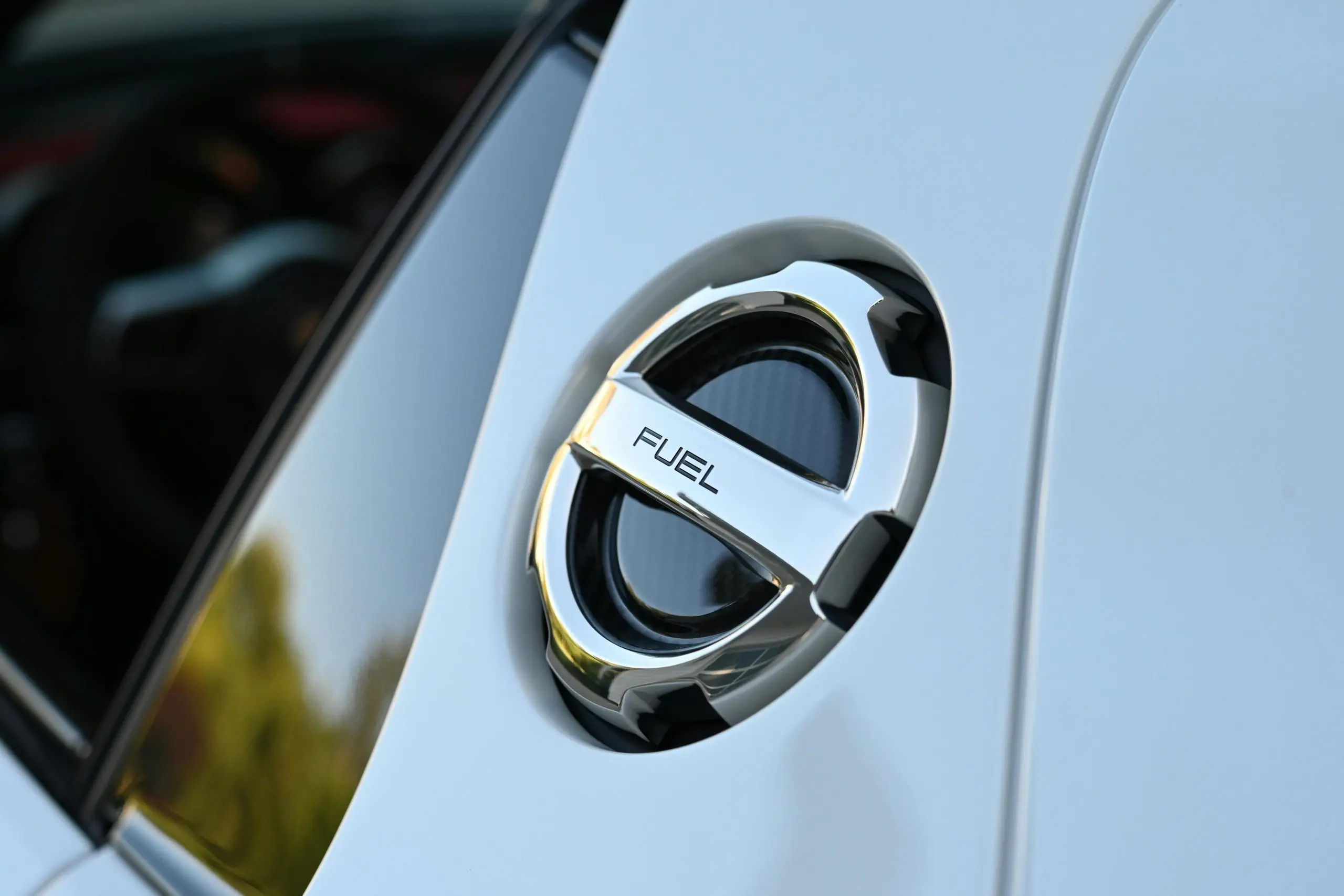
One of the easiest reasons for a gas smell is a loose or broken gas cap. The gas cap plays an important role in sealing the fuel system. It keeps fuel vapors from escaping and prevents dirt or water from getting into your tank.
If you didn’t tighten the cap properly after filling up, or if it’s old and cracked, gas vapors will leak out. These vapors can spread around your car and create a strong smell, even when you’re not driving.
Signs of a bad or loose gas cap include:
- The check engine light coming on
- A strong gas smell near the back of the car
- A cap that spins freely or won’t click tight
Fix:
The first thing to do is check if your gas cap is properly tightened. Turn it until you hear at least one click. If the cap looks worn out, cracked, or broken, it’s a good idea to replace it. A new gas cap costs between $10–$30 and can save you from bigger problems down the road.
2. Fuel Leaks in the Engine Bay
Your car’s engine uses fuel lines to carry gas from the tank to the engine. These lines are often rubber or metal, and over time, they can wear out, crack, or become loose.
If fuel is leaking under the hood, it’s extremely dangerous because the gas can drip onto hot parts of the engine.
Fuel injectors, which spray gas into the engine, can also leak at the seals if they get old or damaged.
Signs of a fuel leak in the engine bay:
- Strong gas smell under the hood
- Wet or shiny spots near fuel lines or injectors
- The engine misfires, hesitates, or stalls
- Lower gas mileage than usual
Fix:
If you suspect a leak in the engine bay, do not drive the car. Call a tow truck and get it checked by a mechanic immediately. Fixing a leaking fuel line could involve replacing a rubber hose, tightening a clamp, or replacing a faulty injector seal. It’s not something to delay because a single spark could start a fire.
3. Problems with the EVAP System
The EVAP system (Evaporative Emissions Control System) is designed to catch and store fuel vapors before they escape into the air. It’s an important part of your car’s emissions system and helps keep pollution down. However, if parts of the EVAP system fail, vapors can leak out.
Common EVAP problems include:
- Cracked or disconnected hoses
- A broken charcoal canister (which absorbs gas vapors)
- Faulty purge valves or sensors
You might not even see a puddle if the EVAP system is leaking — but you’ll definitely smell gas.
Signs of EVAP issues:
- A faint gas smell, even when the car is off
- Check engine light turning on
- Problems filling up at the gas pump (the pump may click off too soon)
- Decrease in fuel economy
Fix:
An EVAP system leak can be hard to spot with the naked eye. Mechanics usually use a “smoke test” — they pump non-toxic smoke into the system and see where it leaks out.
Depending on the problem, repairs might include replacing a hose, the canister, or a valve. Fortunately, EVAP repairs are usually less expensive than major engine work.
4. Leaky Fuel Tank
Your fuel tank holds all the gas your car needs to run. Over time, tanks can rust, especially in areas where winter road salt is common. A rock or piece of debris can also puncture the tank.
When a tank leaks, it’s usually pretty easy to spot. Gas will drip under the car, especially when parked. You’ll also smell a strong odor near the rear of the vehicle.
Signs of a leaky fuel tank:
- Puddles or wet spots under the back of the car
- A constant strong smell of gas
- The fuel gauge dropping unusually fast
Fix:
Sometimes small leaks can be temporarily patched with fuel tank repair kits. However, this is not a permanent fix. For safety, most mechanics recommend replacing the entire tank if it’s leaking. Replacing a fuel tank can cost between $500 to $1,500 depending on the vehicle, but it’s worth it to prevent dangerous fires or sudden fuel loss.
5. Recent Refueling Spills
Not every gas smell is caused by a mechanical failure. Sometimes it’s just from a simple spill while filling up. Maybe a little gas dripped onto the car body, or some overflowed from the tank.
In these cases, the smell is strong at first but fades away after a day or two as the gas evaporates.
Signs of a refueling spill:
- Gas smell immediately after refueling
- No visible leaks under the car
- Smell fades after a short time
Fix:
If you spill gas, wipe off any affected areas with a rag or a little soap and water. Avoid getting soap directly into the gas tank opening. If the smell doesn’t go away after a few days, inspect for real leaks or visit a mechanic to be sure.
Is It Dangerous to Smell Gas in Your Car?
Absolutely. Gasoline is highly flammable. Even a small leak can release vapors that ignite with just a tiny spark — from the engine, the battery, or even static electricity.
Plus, breathing gasoline fumes can make you sick. Symptoms can include dizziness, headaches, nausea, and shortness of breath.
Driving with a gas smell in your car is not safe for you, your passengers, or others on the road. Always treat it seriously.
What to Do If You Smell Gas
Here’s a quick action plan:
- Turn off your car immediately.
- Check the gas cap for tightness or damage.
- Inspect under the car for puddles or wet spots.
- Open the hood carefully and sniff around the engine (but don’t touch anything hot or start the engine).
- Avoid sparks or flames. No smoking or lighters near the car.
- Call a professional if you cannot find an obvious issue.
Never drive if you suspect a leak! A tow to the repair shop is much safer than risking an accident.
How to Prevent Gas Smells in the Future
Prevention is the best way to avoid scary gas leaks:
- Always tighten the gas cap fully after fueling.
- Replace worn-out gas caps every few years.
- Regularly inspect fuel lines and hoses during oil changes.
- Fix small leaks right away to avoid bigger problems.
- Avoid topping off your tank after the pump clicks off.
- Use quality parts when repairing your fuel system.
Taking small, regular steps can keep you from ever facing a dangerous gas smell.
Final Thoughts
A gas smell in your car is never something to ignore. Whether it’s a loose gas cap, a leaking fuel line, or a faulty EVAP system, finding and fixing the problem quickly is key to keeping yourself and others safe.
Always take gas odors seriously and get your car inspected if you can’t quickly find the cause. A little care today can prevent a big disaster tomorrow.