It’s super frustrating when you go to start your car and hear nothing but silence. You expect your car to be ready whenever you need it, but a dead battery can ruin your whole day.
If your car battery keeps dying while it’s parked, it’s a sign something’s wrong.
Luckily, there are common things you can check and fix without too much trouble. Let’s walk through them one by one.
1. Check the Battery’s Age
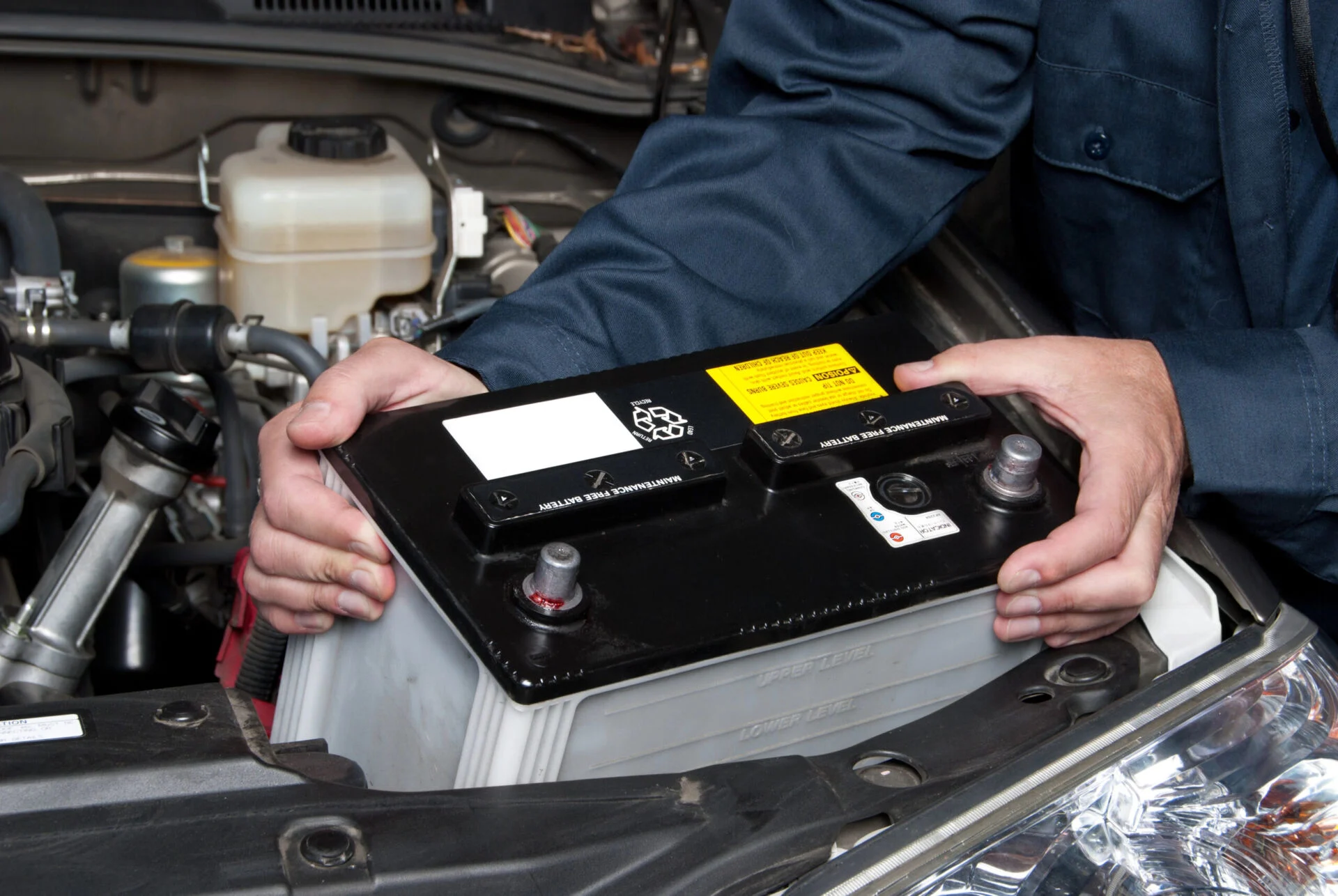
Batteries don’t last forever. On average, a car battery will last between 3 to 5 years. Over time, the chemicals inside wear out, and the battery can’t hold a charge like it used to. Even if everything else is perfect, an old battery can leave you stranded.
How to check:
Look for a sticker or stamp right on the battery. It usually shows a month and year, like “04/20,” meaning it was made in April 2020. If your battery is over three years old, and especially if it’s close to five years, it might be at the end of its life.
What to do:
If the battery is old, replacing it is the best solution. A new battery will save you from future headaches.
2. Look for Corroded Battery Terminals
Sometimes, the battery isn’t the problem — it’s the connection.
What is corrosion?
Corrosion looks like white, greenish, or blue powdery stuff building up on the battery terminals (where the cables connect to the battery). This build-up gets in the way of electricity traveling between your battery and your car.
How to check:
Open the hood and look closely at the battery. If you see crusty or dusty stuff around the metal posts and cables, that’s corrosion.
What to do:
You can clean it using a small wire brush or an old toothbrush with a mixture of baking soda and water.
Always wear gloves and safety glasses, and make sure the car is turned off!
After cleaning, apply a little petroleum jelly to the terminals to help prevent future corrosion.
3. Check for Parasitic Battery Drains
Your car is full of electronics: lights, alarms, radios, and chargers. Some of these things might keep pulling power from the battery even when the car is turned off. This is called a parasitic drain.
Common causes of parasitic drains include:
- Interior lights left on
- Glove box or trunk lights that don’t turn off
- Faulty alarms
- Dash cameras, GPS units, or phone chargers left plugged in
How to check:
You can use a multimeter to measure how much current is being pulled from the battery when the car is off. But this can get tricky, so it’s usually easier to ask a mechanic to check for you.
What to do:
If you find something drawing too much power, fix it. Maybe a light switch needs replacing, or you just need to unplug a device when you park.
4. Inspect the Battery Cables
Even if the battery itself is good, problems with the cables can prevent your car from starting.
What to look for:
- Loose connections: Cables that wiggle or move easily.
- Damaged cables: Fraying, cracking, or broken wires.
What to do:
Tighten loose cables carefully using a wrench. If a cable is damaged, it needs to be replaced. This is usually a simple and inexpensive fix, and it can make a huge difference.
5. Test the Alternator
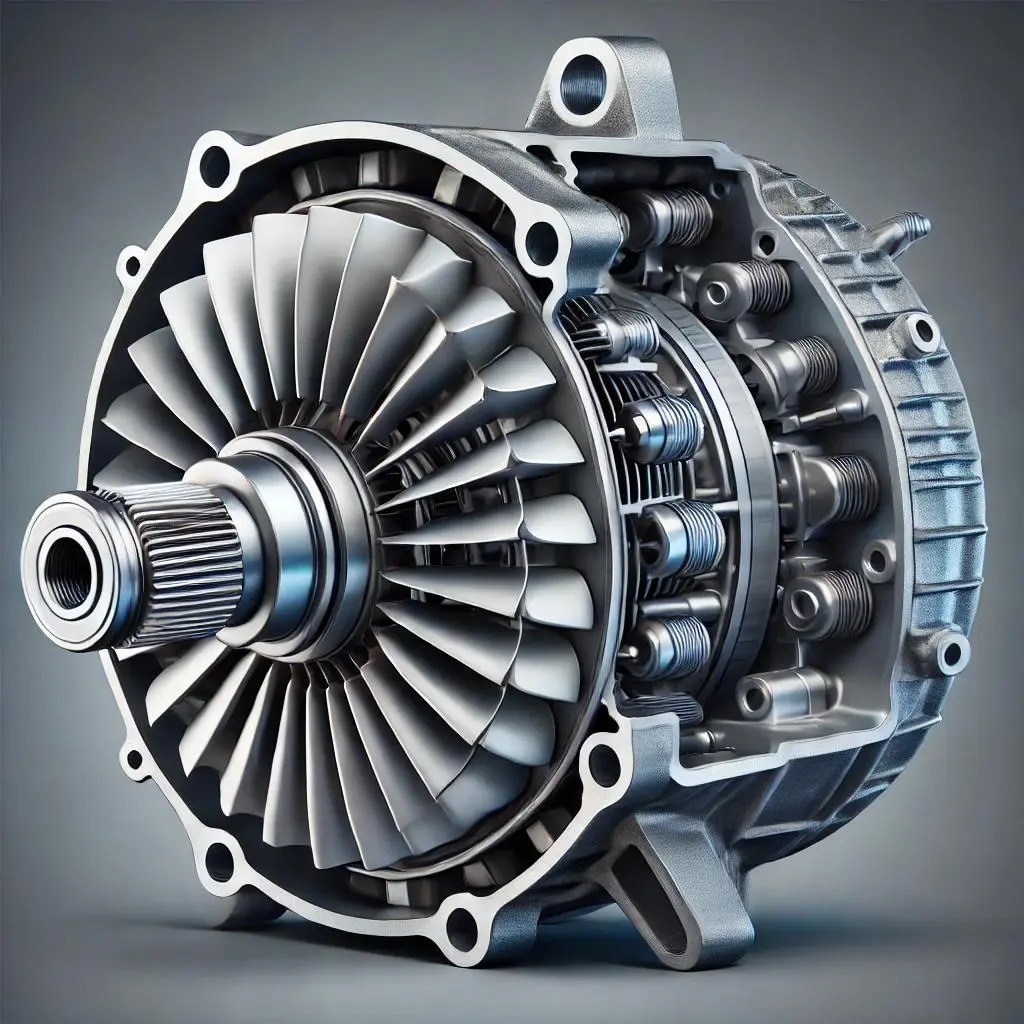
The alternator is like a battery charger built into your car. Its job is to keep the battery charged while you drive. If your alternator is weak or broken, your battery will slowly die, even if you drive every day.
Signs of a bad alternator:
- Dim or flickering headlights
- Electrical accessories acting weird (radio, windows)
- A battery warning light on the dashboard
- Strange noises, like whining or grinding sounds
How to check:
Many auto parts stores offer free alternator testing. You can drive there (if you can start your car) and have it tested. If your alternator is bad, it should be replaced quickly to avoid getting stranded.
6. Watch Out for Extreme Temperatures
Both very hot and very cold weather can kill a battery faster than normal.
Hot weather:
- Evaporates battery fluid.
- Damages internal parts.
- Increases corrosion on terminals.
Cold weather:
- Slows down the chemical reactions inside the battery.
- Makes it harder to create enough energy to start the engine.
What to do:
- Park in a garage if possible.
- Use a battery blanket or warmer in winter if you live somewhere very cold.
- Choose a high-quality battery designed for extreme temperatures if you often experience heatwaves or freezing winters.
7. Avoid Short Driving Trips
Driving just a short distance, like to the corner store and back, doesn’t give your battery enough time to recharge. Starting the car uses a lot of energy, and short trips don’t allow the alternator to put that energy back.
What happens:
Over time, the battery gets lower and lower until it can’t start the car anymore.
What to do:
Try to take a longer drive at least once a week. A 15- to 20-minute drive on the highway or around town can help keep your battery healthy.
8. Make Sure You Turn Electronics Off
Sometimes, leaving electronics or lights on by accident can drain your battery overnight.
Things to double-check when leaving your car:
- Headlights
- Interior dome lights
- Parking lights
- Phone chargers
- Dash cams or GPS units
What to do:
Before getting out, take a few seconds to make sure everything is off. Some cars will beep or give you a warning if the lights are still on, but it’s better not to rely on that alone.
9. Look for Faulty Relay Switches
Your car uses small devices called relays to control things like the fuel pump, cooling fan, and other systems. Sometimes, a relay can get stuck in the “on” position even when the car is off.
Signs of a stuck relay:
- You hear a humming noise after the car is turned off.
- The fan keeps running even when the engine is cold.
- Battery drains overnight without any obvious cause.
What to do:
If you suspect a relay is stuck, a mechanic can test and replace it. Replacing a relay is usually quick and inexpensive.
Final Thoughts
Having your car battery die while parked isn’t just annoying — it’s also a sign that something needs your attention.
Start by checking simple things like battery age, corrosion, and cable tightness. If those aren’t the problem, look deeper into parasitic drains, alternator trouble, or temperature effects.
Taking the time to inspect and fix the cause now can save you from bigger problems later. A little maintenance today means no more unexpected dead batteries tomorrow!