When it comes to keeping your car running smoothly, the transmission is one of the most critical components.
If your transmission starts to fail, you may find yourself faced with an important decision: repair, replace, or rebuild.
For many, a rebuilt transmission is a cost-effective and reliable solution. But how long can you expect a rebuilt transmission to last?
In this post, we’ll break down everything you need to know about rebuilt transmission longevity and how to maximize its lifespan.
What Is a Rebuilt Transmission?
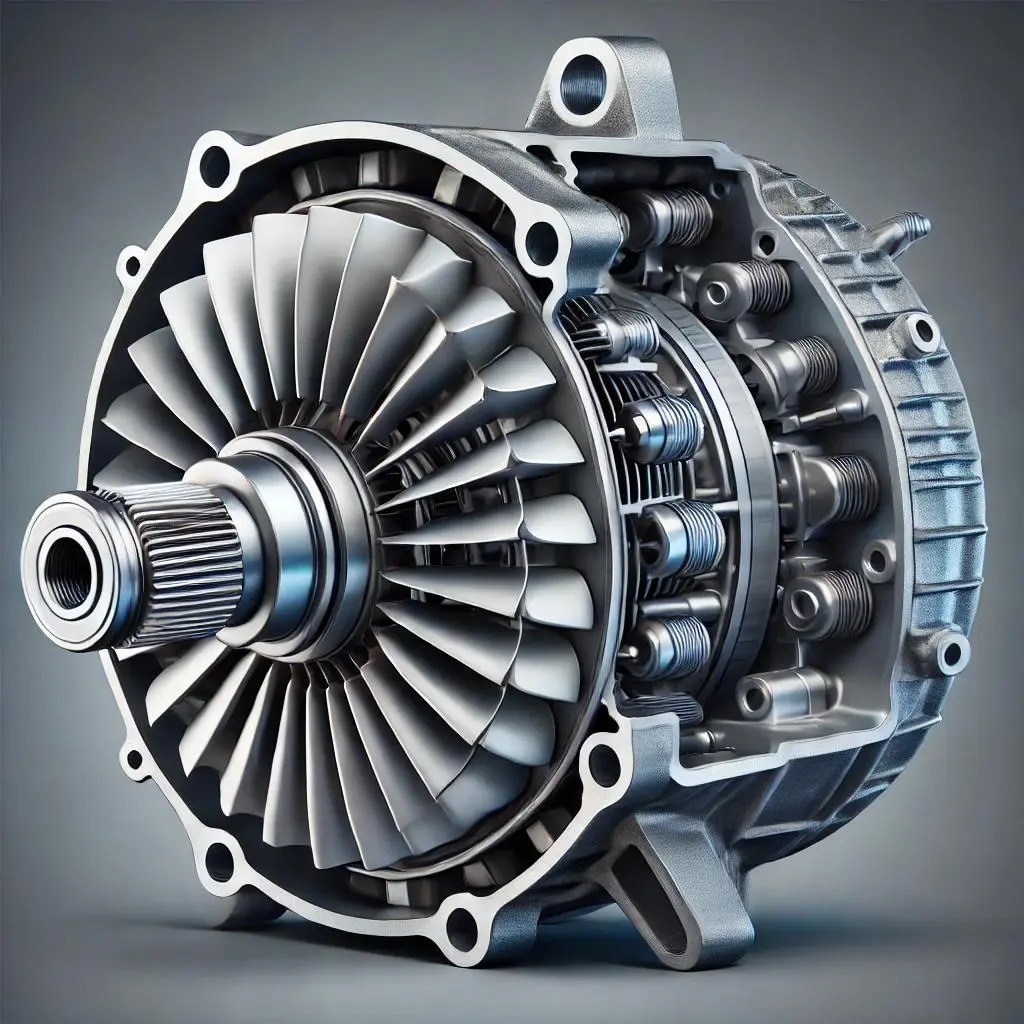
A rebuilt transmission involves taking the original transmission out of your vehicle, disassembling it, and replacing worn or damaged parts with new or refurbished ones.
After this process, the transmission is reassembled and tested to ensure it meets quality standards.
Rebuilding is a popular choice because it’s typically cheaper than buying a brand-new transmission and can extend the life of your vehicle significantly.
However, the longevity of a rebuilt transmission depends on several factors, including the quality of the rebuild, the parts used, and how well you maintain it.
How Long Does a Rebuilt Transmission Last?
A properly rebuilt transmission can last anywhere from 30,000 to 100,000 miles or more. In some cases, with excellent care and proper usage, rebuilt transmissions have been known to last as long as a brand-new one, often exceeding 150,000 miles.
The key to ensuring longevity lies in three main factors:
- The Quality of the Rebuild
- Using high-quality parts and employing skilled technicians play a huge role in how well a rebuilt transmission performs.
- Opt for a reputable shop with a solid warranty and experienced mechanics.
- The Type of Vehicle and Driving Conditions
- Some vehicles are harder on transmissions than others. Heavy-duty trucks, for example, may put more strain on the transmission compared to a sedan.
- Driving conditions also matter. Frequent stop-and-go traffic, towing heavy loads, or aggressive driving can shorten the lifespan.
- Your Maintenance Routine
- Like all car parts, transmissions need regular care. Routine maintenance, such as checking and replacing transmission fluid, can make a significant difference.
Factors That Influence Longevity
1. Quality of Parts
When rebuilding a transmission, using high-quality parts is critical. Cheap or poorly made components may fail prematurely, reducing the lifespan of your rebuilt transmission. Always ask the repair shop what kind of parts they use and ensure they meet or exceed OEM (Original Equipment Manufacturer) standards.
2. Technician Expertise
A skilled technician knows how to rebuild a transmission correctly, ensuring all components are properly aligned and adjusted. Mistakes during the rebuild process can lead to premature failure, so choosing a reputable shop is crucial.
3. Driving Habits
Your driving habits significantly impact how long a rebuilt transmission lasts. Here are some tips to protect your transmission:
- Avoid aggressive acceleration and braking.
- Don’t overload your vehicle or tow beyond its capacity.
- Drive smoothly and avoid rapid gear changes.
4. Regular Maintenance
Maintaining your transmission is essential for longevity. This includes:
- Checking transmission fluid levels regularly.
- Changing the fluid and filter as recommended by your vehicle’s manufacturer.
- Addressing leaks or unusual noises promptly.
Warning Signs to Watch For
Even with a rebuilt transmission, it’s important to watch for signs of trouble to prevent minor issues from becoming major problems.
Common warning signs include:
- Slipping Gears: The transmission struggles to stay in gear or shifts unexpectedly.
- Unusual Noises: Grinding, whining, or clunking sounds when shifting.
- Delayed Engagement: A lag when shifting from park to drive or reverse.
- Burning Smell: Overheated transmission fluid can emit a burnt odor.
- Fluid Leaks: Transmission fluid leaks often indicate a seal or gasket problem.
If you notice any of these signs, take your vehicle to a trusted mechanic as soon as possible.
Tips to Maximize Longevity
To get the most out of your rebuilt transmission, follow these best practices:
- Stick to a Maintenance Schedule
Regularly check and replace your transmission fluid. Old or dirty fluid can cause excessive wear and tear. - Drive Responsibly
Avoid sudden starts, hard stops, and heavy loads whenever possible. Smooth and steady driving puts less strain on your transmission. - Monitor Fluid Levels
Low transmission fluid levels can cause overheating and damage. Make it a habit to check fluid levels periodically. - Address Problems Early
Don’t ignore warning signs. Small issues can escalate quickly and shorten the life of your rebuilt transmission. - Choose a Reputable Shop
The quality of the rebuild process matters. Look for shops with good reviews, experienced technicians, and comprehensive warranties.
Is a Rebuilt Transmission Worth It?
For many drivers, a rebuilt transmission is a practical and cost-effective solution. It extends the life of your vehicle without the hefty price tag of a new transmission. However, the success of a rebuilt transmission depends largely on the shop you choose and how well you care for your vehicle afterward.
Final Thoughts
Rebuilt transmissions offer a reliable way to restore your vehicle’s performance when faced with transmission problems. While they can’t promise the same longevity as brand-new units, with proper care and responsible driving, they can last for many years.
By understanding the factors that influence rebuilt transmission longevity and following the tips outlined in this post, you’ll be well-equipped to maximize the lifespan of your rebuilt transmission and enjoy many more miles on the road.