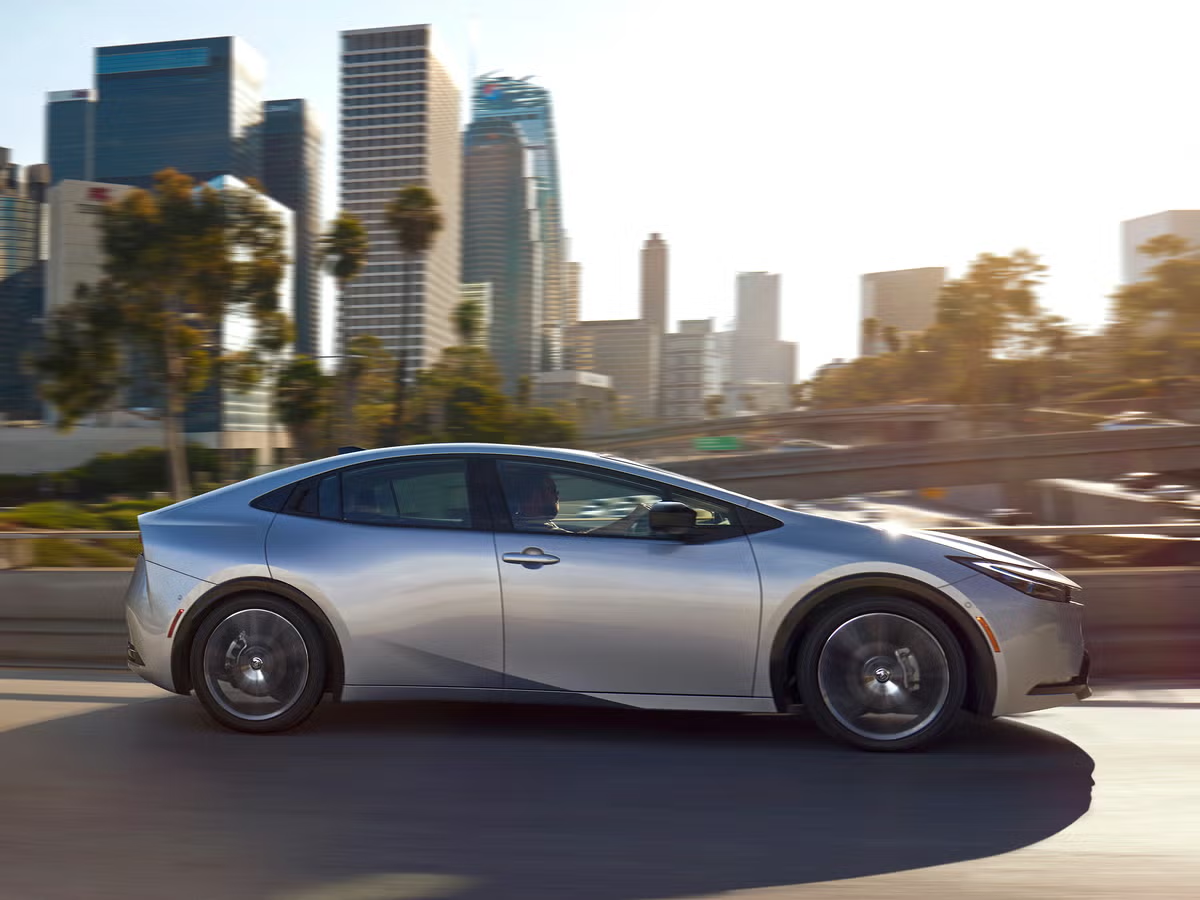
Hybrid cars are known for smooth driving and great fuel savings. So when your hybrid suddenly shudders or jerks while switching modes, it can feel alarming.
Many drivers notice this shake when the car switches from electric mode to gas mode, or when slowing down or accelerating gently.
The good news is that not all shuddering means something is seriously wrong. Some causes are normal, while others need attention. This guide explains why it happens, what’s normal, what’s not, and when to take action.
What Does “Switching Modes” Mean in a Hybrid?
Hybrid vehicles operate using two power sources:
- An electric motor
- A gasoline engine
Your car constantly switches between these systems to save fuel. This can happen when:
- You press the accelerator
- You slow down or stop
- The battery charge drops
- The engine warms up
- You drive uphill
A slight change in sound or feel during these moments is normal. But a noticeable shudder, shake, or jerk is not always expected.
Common Reasons Your Hybrid Shudders When Switching Modes
1. Normal Engine Engagement
When the gas engine starts after running on electric power, you may feel a mild vibration. This is more noticeable at low speeds.
What’s normal
- Light vibration
- Happens briefly
- No warning lights
- Smooth driving resumes quickly
New hybrid drivers often notice this more than experienced ones.
2. Worn Engine or Transmission Mounts
Mounts hold the engine and transmission in place. Over time, they wear out and lose their ability to absorb movement.
Symptoms
- Shudder during mode switching
- Clunking or shaking when stopping or starting
- Vibration at idle
This is common in older hybrids and usually gets worse over time.
3. Hybrid Transmission (eCVT) Issues
Most hybrids use an electronic continuously variable transmission (eCVT). If internal components wear or software fails, transitions may feel rough.
Signs
- Jerking when accelerating gently
- Shudder when switching from electric to gas
- Hesitation or uneven power
Transmission problems should never be ignored.
4. Dirty or Failing Fuel Injectors
Fuel injectors spray gas into the engine. If they clog, the engine may stumble when it turns on.
What you may notice
- Shudder only when engine starts
- Rough idle after switching modes
- Poor fuel economy
This is more common if you mostly drive short distances.
5. Ignition System Problems
Spark plugs and ignition coils help the engine fire smoothly. If they’re worn, the engine may struggle when it starts.
Symptoms
- Engine misfires
- Shaking during engine startup
- Check engine light (sometimes)
Hybrids still need regular spark plug maintenance.
6. Hybrid Battery or Power Management Issues
The hybrid battery works with computers to control power flow. If the battery is weak or the system misreads data, transitions can feel rough.
Warning signs
- Shudder during frequent mode switching
- Reduced electric-only driving
- Battery charge dropping quickly
Battery problems often cause multiple symptoms, not just shuddering.
7. Regenerative Braking System
Hybrids use regenerative braking to recharge the battery when slowing down. The system blends electric braking with regular brakes.
What happens
- Slight shudder at low speeds
- Mild jerk just before stopping
- Feels like brakes “grab” suddenly
This can be normal, but excessive shaking may indicate brake or software issues.
8. Outdated Hybrid Control Software
Hybrid systems rely heavily on software. If it’s outdated or has bugs, switching between modes may not be smooth.
Possible clues
- Shudder started suddenly
- No mechanical issues found
- Other hybrid owners report similar behavior
Manufacturers often release updates to fix this.
Is Hybrid Shuddering Dangerous?
It depends on the cause.
Usually not dangerous if
- The shudder is mild
- Happens briefly
- No warning lights appear
- Performance remains normal
Potentially serious if
- Shuddering becomes stronger
- Happens frequently
- You feel loss of power
- Warning lights turn on
Ignoring ongoing shuddering can lead to bigger repairs later.
What You Can Do Right Now
Pay Attention to When It Happens
Notice:
- Speed
- Battery level
- Engine temperature
- Acceleration or braking
This helps identify the cause.
Keep Up With Maintenance
Regular service prevents many issues:
- Spark plugs
- Fuel system cleaning
- Transmission fluid checks
- Software updates
Hybrids still need routine care.
Avoid Hard Acceleration at Low Speeds
Gentle driving helps reduce stress during mode switching, especially when the engine is cold.
Get a Professional Diagnostic Scan
Hybrid systems store detailed data. A proper scan can:
- Identify misfires
- Check battery health
- Detect software issues
- Reveal transmission problems
When to See a Mechanic Immediately
Seek help if you notice:
- Strong or worsening shudder
- Loud noises
- Burning smells
- Check engine or hybrid warning lights
- Sudden loss of power
Early diagnosis can save you money and prevent breakdowns.
Final Thoughts
A hybrid car shuddering when switching modes is not always a cause for panic. In many cases, it’s part of how the system works. But repeated or severe shaking is a sign that something needs attention.
Understanding what’s normal—and what’s not—helps you protect your vehicle, your wallet, and your safety.
When in doubt, trust your instincts and have it checked. Smooth transitions are one of the biggest benefits of owning a hybrid, and you deserve to enjoy them.